Coming home after a stroke is a moment of relief and, often, quiet anxiety for the whole family. The hospital has managed the acute crisis; now the longer and in many ways more demanding work begins. Stroke recovery unfolds over weeks, months, and for some patients years — and the quality of care at home has a direct bearing on how much function is ultimately regained.
This guide is written for families who are either preparing to bring a loved one home or who have recently done so. It covers the key therapy disciplines, safety priorities, nutrition, emotional wellbeing, and the practical steps that help prevent a second stroke.
Understanding the Rehabilitation Window
Neurological recovery after a stroke is not random. The brain has a period of heightened plasticity — roughly the first three to six months — during which consistent, targeted rehabilitation produces the most significant gains. This does not mean recovery stops after six months; many patients continue to make meaningful progress beyond that point. But it does mean that the weeks immediately after hospital discharge are precious, and that gaps in therapy during this period carry a real cost.
The goal of home-based rehabilitation is to bridge the gap between hospital and independence. For some patients that means relearning to walk unaided; for others it means learning to communicate differently, to use the weaker hand for tasks it was not used for before, or to manage daily life safely with permanent changes in cognition or vision.
Physiotherapy at Home: Rebuilding Movement and Balance
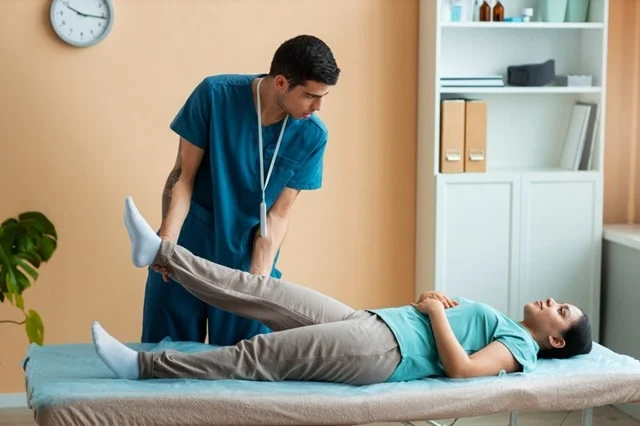
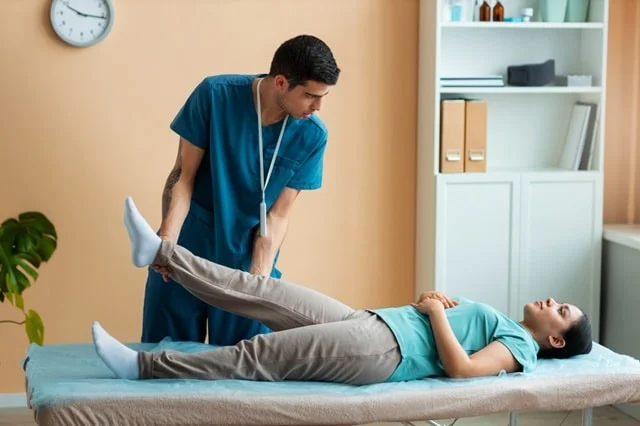
For most stroke survivors, physiotherapy at home is the cornerstone of recovery. A physiotherapist working in the home environment has advantages that a hospital or clinic cannot replicate — they can assess the actual layout of the patient's bedroom and bathroom, work on stair climbing on the patient's own staircase, and tailor exercises to the specific challenges the patient faces in daily life.
What Home Physiotherapy Typically Covers
- Limb strengthening and range-of-motion exercises — systematic work to reduce spasticity (muscle tightness) and rebuild voluntary movement in the affected arm and leg
- Balance training — progressing from sitting balance to standing, then controlled walking with and without support
- Gait re-education — addressing abnormal walking patterns that, if left uncorrected, increase the risk of falls and joint strain
- Transfer training — safe techniques for moving between bed, chair, and toilet, and teaching family members how to assist correctly without injuring themselves or the patient
- Fine motor rehabilitation — for patients with hand and finger weakness, structured exercises to regain grip and dexterity
Frequency and intensity will depend on medical advice and individual tolerance. A session every day or every other day is common in the early recovery phase; this may be adjusted as the patient progresses or as stamina increases.
Speech and Language Therapy
A significant proportion of stroke survivors experience some degree of aphasia — difficulty finding words, understanding speech, reading, or writing — or dysarthria, where the muscles that produce speech are weakened. Swallowing difficulties (dysphagia) are also common and carry risks of their own.
A speech and language therapist (SLT) can:
- Assess the nature and severity of communication difficulties and design a structured practice programme
- Work with the patient and family on strategies that make communication less frustrating — gesture, writing boards, picture cards, and technology-assisted communication
- Evaluate swallowing safety and recommend texture modifications to food and drink that reduce the risk of aspiration (food or liquid entering the airway)
- Provide exercises to strengthen the muscles used in speech and swallowing
Family members can support speech therapy significantly between sessions: simple, unhurried conversations, reading aloud together, naming everyday objects, and — crucially — not finishing sentences for the patient, which reduces the brain's incentive to work through language independently.
Occupational Therapy: Rebuilding Daily Life
Occupational therapy bridges clinical recovery and practical independence. An occupational therapist (OT) focuses on the specific tasks of daily life — bathing, dressing, preparing simple food, managing money, using a mobile phone — and works on both the physical and cognitive aspects of performing them.
At home, an OT may recommend and help trial adaptive equipment: a bath chair, a long-handled shoe horn, modified cutlery, or grab bars in specific locations. These are not concessions to permanent disability; they are tools that allow the patient to practice independence safely while recovery continues.
Mobility and Fall Safety
Falls are among the most serious risks for stroke survivors at home, and many are preventable. A physiotherapist will address balance and gait directly, but the home environment itself requires attention.
Practical Safety Measures
- Remove loose rugs and trailing cables from walking routes
- Ensure adequate lighting, particularly in corridors and at night — a simple motion-activated night light in the bathroom can prevent a significant proportion of night-time falls
- Install grab bars beside the toilet and in the shower or bath; these should be fixed to the wall studs, not surface-mounted
- Consider a hospital-style bed rail or bed handle to assist with sitting up independently
- Keep frequently used items within easy reach to avoid overreaching or bending
- If the patient uses a walking aid (stick, frame, or wheelchair), ensure it is the correct size and is used consistently — not just when a family member is watching
Swallowing and Feeding Care
Dysphagia is frequently underestimated by families. If a patient coughs during or after meals, takes a very long time to eat, avoids certain foods and drinks, or has a wet or gurgly voice quality after eating, these are signs that a swallowing assessment is needed.
In the interim, general precautions include:
- Ensuring the patient is sitting fully upright during meals and for at least thirty minutes afterwards
- Offering smaller, more frequent meals rather than large portions
- Not rushing eating, and minimising distractions during mealtimes
- Following any texture recommendations already made by the hospital dietitian or SLT
An SLT can conduct a formal bedside swallowing assessment at home and advise on whether thickened fluids or modified food textures are indicated.
Preventing a Second Stroke
The period following a first stroke carries an elevated risk of a second event. This risk can be substantially reduced with consistent medical management — and the family plays a central role in making that happen.
Key Risk Factors to Manage at Home
Blood pressure: Hypertension is the single most modifiable risk factor for stroke. A reliable home blood pressure monitor, a consistent measurement routine (same time each day, at rest), and a log to share with the treating physician are practical, low-cost tools. Medication adherence is critical — dose timings should not be adjusted without medical advice.
Medications: Many stroke survivors are prescribed antiplatelet drugs (such as aspirin or clopidogrel) or anticoagulants. These must be taken as directed and not stopped abruptly. A weekly pill organiser, or a reminder alarm, helps ensure consistency in households where the patient has memory or attention difficulties.
Diet: A diet lower in salt, saturated fat, and processed foods, and higher in vegetables, pulses, and whole grains, supports blood pressure and cardiovascular health. The hospital dietitian may have provided specific guidance; if not, the treating physician can refer the patient on discharge.
Physical activity: Within the limits of the patient's current function, gentle regular movement — even short walks within the home, or chair-based exercises — supports cardiovascular health and reduces the risk of venous thrombosis.
Smoking and alcohol: Both significantly increase stroke risk. Cessation support is available through primary care.
Emotional Support and Mental Health
Depression after stroke is common — estimates suggest it affects a substantial proportion of survivors in the first year — and it is not simply a natural sadness about the situation. Post-stroke depression has physiological roots and responds well to treatment. Symptoms to watch for include persistent low mood, loss of interest in activities the patient previously enjoyed, disturbed sleep, withdrawal from family, and expressions of hopelessness.
Families should raise concerns with the treating physician without waiting for the patient to initiate the conversation; many stroke survivors lack insight into their own mood changes or are reluctant to speak about them. Psychological support, and in some cases medication, can make a meaningful difference to engagement with rehabilitation and to quality of life.
Cognitive changes — difficulties with memory, attention, planning, or emotional regulation — are also common after stroke. These are not invariably permanent, but they do affect how rehabilitation is delivered and how daily life is structured. An OT or neuropsychologist can assess cognitive function and advise on strategies.
The Role of a Home Nurse and Physiotherapist
For families managing a stroke survivor at home, two professionals are particularly central.
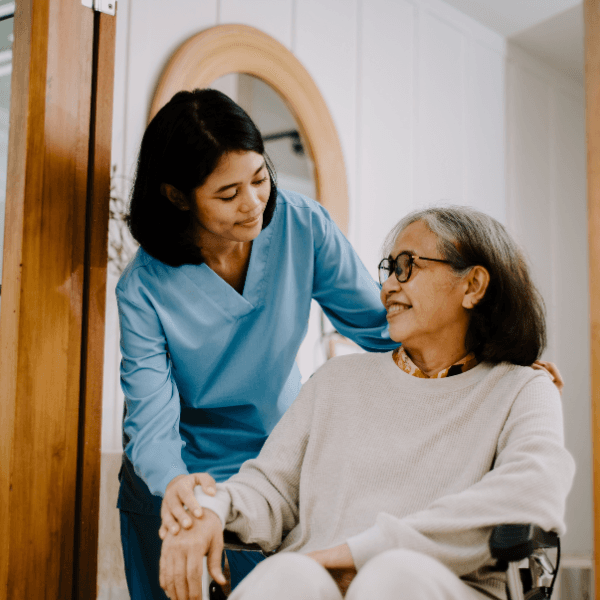
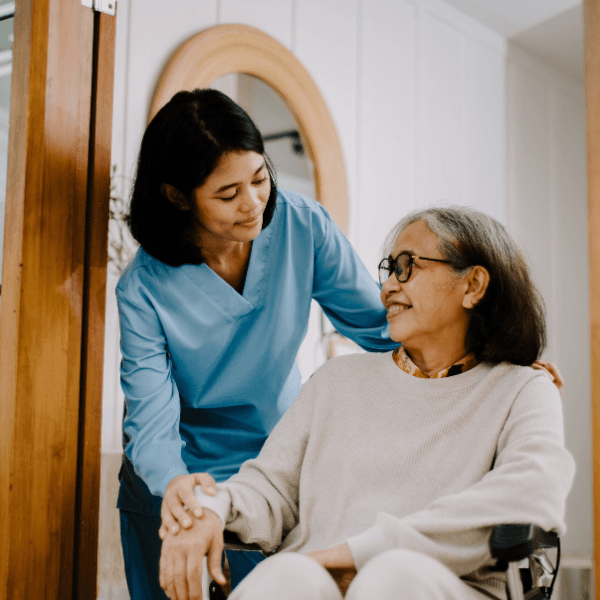
A home physiotherapist designs and progresses the physical rehabilitation programme, monitors for complications such as spasticity or shoulder subluxation in the affected arm, and teaches family members safe handling techniques. They are also well placed to flag clinical concerns — unexpected changes in strength, balance, or cognition — for timely escalation to the treating physician.
A home nurse provides continuity of clinical oversight across the full picture: medication management, wound care if relevant, vital signs monitoring, catheter care if needed, and coordination between different specialists involved in the patient's care. For families managing complex post-stroke care, having a qualified nurse who knows the patient's baseline and can identify early signs of deterioration provides significant reassurance.
Our guide on choosing a home nurse covers the credentials and questions to ask when engaging nursing support for a high-dependency case.
A Note on Timelines and Expectations
Stroke recovery is not linear. There will be days of noticeable progress and days where gains seem to have stalled or reversed. Fatigue is a nearly universal feature of stroke recovery, and it can be profoundly disabling — patients who appear physically capable may find that their stamina runs out far sooner than expected, and rest is a legitimate therapeutic requirement, not a sign of giving up.
Setting realistic short-term goals — with the physiotherapist, occupational therapist, and treating physician — helps families celebrate genuine progress without becoming discouraged by the distance still to travel. Recovery is work, and it benefits from being approached with the same consistency and patience as any other serious undertaking.
If you are looking for clinical support for a stroke survivor at home in India, ElivioCare's coordinators can help you identify the right combination of nursing and therapy input for your specific situation. The right team, engaged early and consistently, makes a real difference.