Returning home after a total knee replacement can feel like a relief and a challenge at the same time. The hospital environment provides constant support; home offers comfort, but also responsibility. For most patients, the weeks that follow discharge are where real recovery happens — and physiotherapy at home is the single most important factor in determining how fully and how quickly the knee regains strength, flexibility, and function.
This guide walks through what to expect week by week, which exercises matter most at each stage, how to manage pain and swelling, and the signs that should prompt a call to your surgeon rather than another set of reps.
Why Physiotherapy at Home Makes a Difference
After a knee replacement, the joint itself is new — but the muscles, tendons, and connective tissue surrounding it still need to relearn how to work together. Without guided rehabilitation, the quadriceps (the large muscle group at the front of the thigh) can weaken significantly, and scar tissue around the joint may form in ways that limit range of motion permanently.
Home physiotherapy has a meaningful advantage over travelling to a clinic in the early weeks: it removes the exhausting logistics of transport when the knee is most sensitive, allows the physiotherapist to assess how the patient moves in their actual environment, and makes it easier to do shorter, more frequent sessions — which the evidence consistently favours over long, infrequent ones.
For families managing post-operative care alongside other responsibilities, having a physiotherapist come to the home also reduces the coordination burden considerably. If you are also arranging nursing support during this period, our guide to choosing a home nurse covers how to match clinical credentials to your specific situation.
The Week-by-Week Recovery Timeline
Recovery from a total knee replacement varies between individuals — age, fitness level before surgery, whether one or both knees were replaced, and underlying conditions all play a role. The timeline below reflects a typical uncomplicated recovery and should be taken as a guide, not a prescription. Always follow the specific plan your surgeon and physiotherapist have designed for you.
Week 1: Establishing Safe Movement
The priority in the first week is not strength or flexibility — it is circulation and preventing complications.
Key goals:
- Reduce post-operative swelling through elevation and controlled movement
- Prevent deep vein thrombosis (DVT) through ankle pumps and early walking
- Begin gentle range-of-motion work with the support of a physiotherapist
Exercises at this stage typically include:
- Ankle pumps — flex the foot up and down repeatedly; done every waking hour in the first few days
- Quadriceps sets — tighten the thigh muscle with the leg flat, hold for five seconds; no bending required
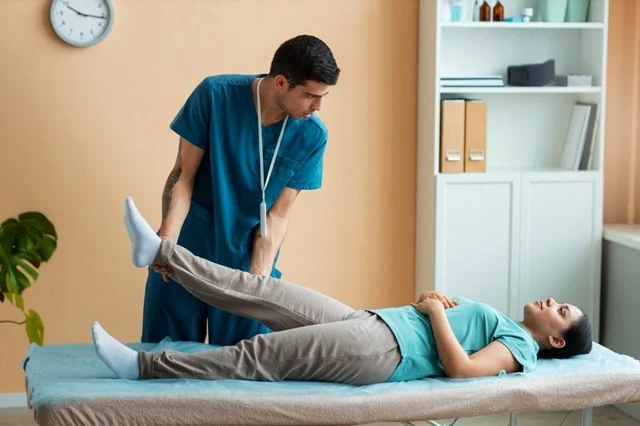
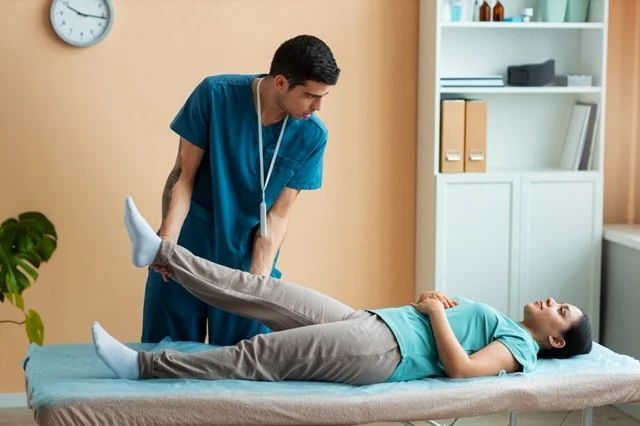
- Heel slides — lying flat, slowly slide the heel toward the buttocks and back; the physiotherapist will help guide how far is appropriate
- Sitting knee bends — seated at the edge of the bed, gently let gravity bend the knee, hold briefly, and straighten
Walking short distances with a walker or crutches begins in this period. Stairs are usually introduced cautiously by day three or four, with the non-operated leg leading on the way up and the operated leg leading on the way down — a rhythm worth practising deliberately.
Pain and swelling in week one are normal and expected. Ice packs applied for 15–20 minutes after each exercise session help control both. Elevating the leg above heart level for portions of the day reduces fluid accumulation around the joint.
Weeks 2–3: Building Range of Motion
By the second week, the immediate post-operative inflammation has usually begun to settle, and the physiotherapy focus shifts toward regaining bend (flexion) and straightening (extension).
Target milestones:
- Knee extension as close to fully straight (0 degrees) as possible — this matters enormously for comfortable walking
- Knee flexion approaching 90 degrees by the end of week two or three
Additional exercises introduced:
- Straight leg raises — lying flat, tighten the quadriceps and raise the leg to about 45 degrees; strengthens the thigh without bending the knee
- Seated knee extensions — seated in a chair, slowly straighten the leg fully and hold
- Short-arc quads — with a rolled towel under the knee, extend from about 40 degrees to fully straight
- Standing hip abduction — standing at a support, slowly lift the operated leg out to the side; improves hip and gluteal strength that relieves knee load
The walker is typically transitioned to a single crutch or walking stick during this period, depending on strength and confidence. Your physiotherapist will guide this transition — do not rush it.
Sleep often becomes more comfortable in week two as the worst of the acute pain recedes, but some patients find that the knee aches at night when the anti-inflammatory effect of daily activity wears off. Discuss this with your care team; it is generally manageable and improves.
Weeks 4–6: Strengthening and Functional Movement
This period marks a meaningful shift from rehabilitation to functional recovery. The knee is no longer in the acute phase, and exercise volume and difficulty can increase more deliberately.
Key goals:
- Flexion reaching 100–110 degrees (most daily activities require at least 90–100 degrees)
- Walking without a walking aid for short distances on level ground
- Stair-climbing with a reciprocal pattern (alternating legs) rather than step-to-step
New exercises introduced:
- Mini squats — a shallow bend at the knee, typically 20–30 degrees only, progressing gradually
- Step-ups — stepping onto a low step and back down; begins on the non-operated leg leading
- Balance exercises — standing on the operated leg for increasing periods with the support of a chair nearby; balance retraining is often underestimated but critical to preventing future falls
- Stationary cycling (if equipment is available) — an extremely well-tolerated knee rehabilitation tool; low impact, good range-of-motion stimulus
Swelling should be reducing during this period, though many patients find the knee remains slightly puffy for several months — this is normal and does not indicate a problem in the absence of other symptoms.
Weeks 6–12: Progressive Independence
By six weeks, most patients have been cleared for a follow-up appointment with the surgeon and are working toward functional independence. Physiotherapy sessions may become less frequent but should not stop entirely until the full programme is complete.
Milestones to work toward:
- Flexion reaching 110–120 degrees for most patients
- Comfortable walking on uneven surfaces, gentle slopes, and for progressively longer distances
- Returning to driving (your surgeon will advise, but typically six weeks for an automatic transmission in India for the non-dominant leg; longer for the right leg in most cases)
Exercises at this stage:
- Leg press (if gym or home equipment is available) — excellent for quadriceps and hamstring loading
- Terminal knee extensions with resistance band
- Calf raises and single-leg balance progressions
- Walking programmes — structured walks increasing by five minutes every few days as tolerated
Months 3–6 and Beyond
By three months, most patients have recovered a large portion of their function. Full recovery — including return to activities like gardening, gentle hiking, or swimming — continues for six months to a year. A home physiotherapist can guide a longer-term maintenance programme that keeps the operated joint strong and reduces the load on other joints that may have been compensating for years of arthritic pain before the surgery.
Managing Pain and Swelling at Home
Pain after knee replacement is real and should be managed proactively, not stoically. Uncontrolled pain makes it harder to exercise, sleep, and recover.
Practical strategies that complement prescribed medication:
- Ice, not heat, in the first six to eight weeks; ice reduces inflammation, while heat increases it
- Elevation — whenever resting, keep the foot raised above the level of the heart
- Regular medication — take prescribed pain relief at scheduled intervals rather than waiting until pain becomes severe
- Gentle movement — short frequent walks within the home are more effective at managing stiffness than long rest periods
Swelling is expected throughout the first several months. It does not indicate a problem unless accompanied by fever, localised warmth significantly beyond what is normal for the operated area, or a sudden increase in volume after a period of improvement.
Red Flags: When to Stop and Seek Help
Exercise is important, but safety takes precedence. Stop and contact your surgical or medical team if you experience:
- A sudden sharp increase in pain not related to the effort of exercise
- Fever of 38.5°C or above — this can indicate infection in or around the implant
- Increasing redness, warmth, or discharge from the wound site
- Significant swelling or pain in the calf (could indicate a blood clot, which requires urgent assessment)
- A sensation of the joint giving way, locking, or catching in an unusual way
- Any fall, even a minor one — inform your care team so the joint can be assessed
These are not reasons to fear physiotherapy; they are reasons to stay in regular communication with your clinical team throughout recovery.
How a Home Physiotherapist Helps
Recovering at home without professional guidance is possible for some patients with strong family support and a very clear post-operative plan from their surgeon. For many, however, having a qualified physiotherapist attend the home provides:
- Hands-on manual therapy — gentle joint mobilisation and soft tissue work that cannot be replicated through instruction alone
- Accurate progression — someone who can see in real time whether the knee is ready for the next stage, rather than guessing from a printed sheet
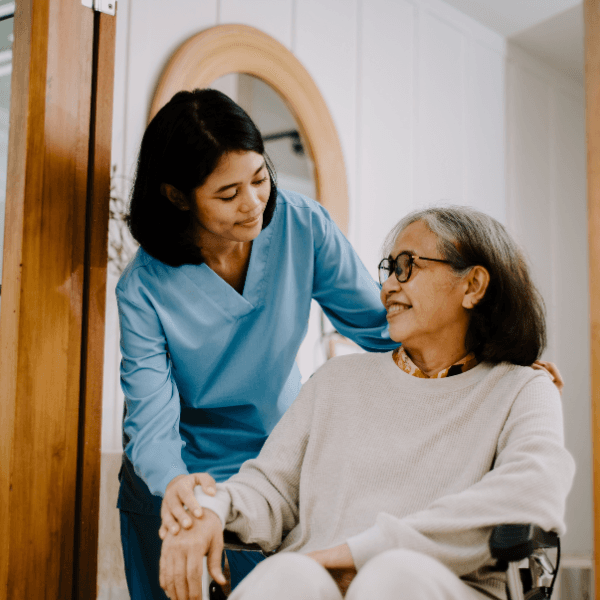
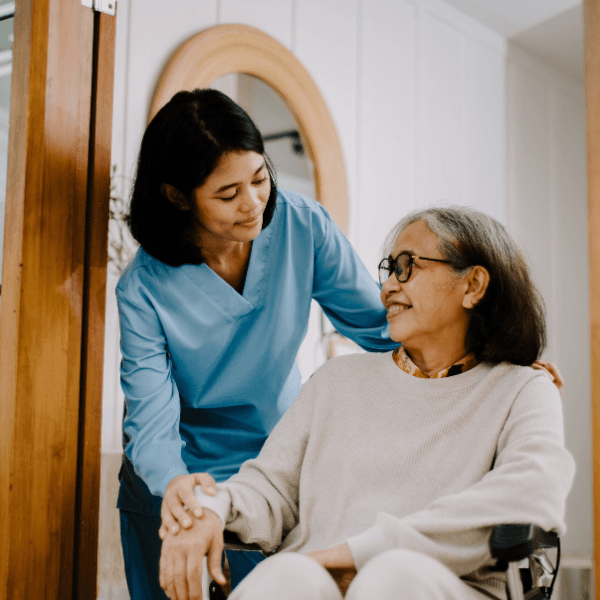
- Motivation and accountability — consistent, goal-oriented sessions are significantly more effective than ad hoc self-exercise
- Environmental assessment — the physiotherapist can identify furniture arrangements, footwear, or daily habits that increase fall risk in your specific home
For patients with comorbidities such as diabetes, cardiac conditions, or contralateral joint problems, a trained professional is better placed to adapt the programme safely when circumstances change.
Knee replacement surgery is one of the most successful orthopaedic procedures performed in India, with high rates of patient satisfaction. The implant itself is the beginning; the months of structured, patient rehabilitation that follow are what determine how much of that potential is actually realised.