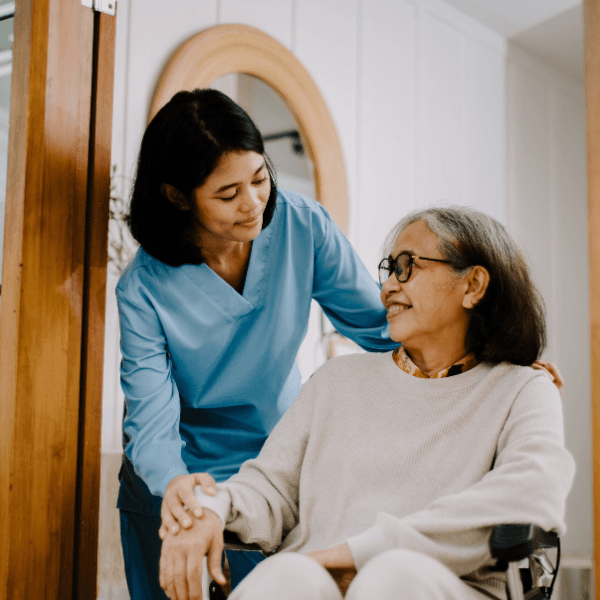
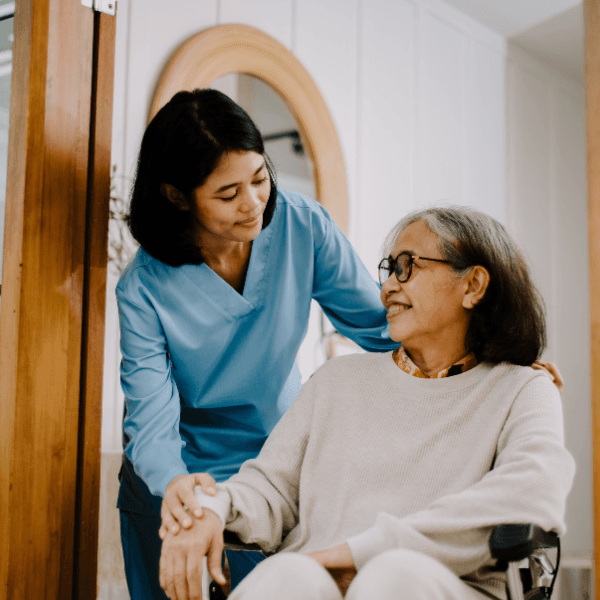
Coming home after surgery is a milestone — it signals that the worst is behind you and that recovery has genuinely begun. But the first few weeks at home are also a critical window. Wound healing, medication adherence, and safe mobility all require careful attention, and the decisions made during this period can significantly influence how quickly — and how completely — a patient recovers.
This guide walks through the practical steps of post-surgery recovery at home, written for patients and their families managing care in the Indian context.
Before Discharge: Setting Up for Success
Recovery at home starts before the patient actually leaves the hospital. Use the time before discharge to prepare the home environment and gather the right information.
Prepare the space:
- Clear a path between the bedroom, bathroom, and any common areas to reduce fall risk
- Remove loose rugs and cables from walkways
- Place a firm chair with armrests in the bedroom or main living area — getting up from a low surface is harder post-surgery than most people expect
- Ensure phone charging points and call-bell access are within easy reach of the bed
Get clear written instructions:
- Ask for a printed discharge summary with wound care instructions, medication names and doses, and the surgeon's contact number
- Confirm the schedule for follow-up appointments before leaving
- Ask specifically what the patient cannot do — lifting limits, dietary restrictions, bathing instructions — since verbal instructions at discharge are easy to forget or misremember
Our post-surgery care coordinators often work with the hospital ward to receive the discharge summary directly, which allows the nursing team at home to prepare before the patient arrives.
Week One: Rest, Wound Care, and Medication
The first week is usually the most demanding. Pain is at its highest, mobility is most limited, and the wound requires careful management.
Wound Care
Even a well-closed surgical wound needs regular attention at home. The nurse assigned to the case will typically:
- Change dressings according to the surgeon's protocol — frequency varies by wound type and drain presence
- Inspect the wound daily for signs of infection: increasing redness, warmth, swelling, unusual discharge, or an unpleasant odour
- Manage any surgical drains, noting output volume and colour and reporting changes to the clinical coordinator
- Ensure the patient does not wet the wound during bathing unless the surgeon has specifically cleared this
Family members should resist the urge to check or change dressings themselves unless trained to do so. Incorrectly applied dressings are a leading cause of post-surgical wound complications at home.
Medication Management
Post-surgery medication regimens are often complex: painkillers on a scheduled or as-needed basis, antibiotics at specific intervals, blood thinners in some cases, and existing chronic medications that may have been temporarily modified around the procedure.
The nursing team should:
- Maintain a written medication administration record (MAR) so every dose is logged
- Understand which medications interact and what side effects to watch for
- Communicate any missed doses or adverse reactions to the prescribing doctor promptly
Never abruptly stop prescribed post-surgical antibiotics or blood thinners without medical advice, even if the patient feels well.
Rest and Sleep
Adequate sleep is not optional during recovery — it is when tissue repair is most active. Help the patient sleep by:
- Keeping the room cool and dark
- Using pillow supports to position the operated limb or abdomen comfortably
- Timing any necessary position changes so they minimise disturbance during deep sleep
Weeks Two and Three: Mobility and Gradual Return to Activity
Once the acute phase passes, the focus shifts toward regaining function.
Safe Mobilisation
Prolonged bed rest creates its own risks: muscle loss, pressure sores, and deep vein thrombosis (DVT). Most surgeons want patients moving — even briefly — as soon as it is safe to do so. The home nursing team can:
- Assist with transfers from bed to chair and back
- Guide safe walking technique, especially if the patient is using a walker or crutches for the first time
- Perform prescribed bed exercises if the patient is not yet ambulatory
If a physiotherapist has been prescribed, home physiotherapy sessions can begin as early as the surgeon recommends — sometimes from day two or three post-discharge for certain orthopaedic procedures.
Skin and Pressure Care
For patients who spend significant time in bed, check bony prominences — heels, sacrum, shoulder blades — daily for redness or early pressure injury. Repositioning every two hours and using pressure-relieving mattresses where recommended are standard practices that a trained home nurse will manage without prompting.
Nutrition and Hydration
Surgical recovery places significant metabolic demand on the body. Adequate protein intake supports wound healing; adequate fluids prevent constipation (a common and uncomfortable side effect of post-surgical pain medications) and maintain kidney function.
Practical guidelines:
- Aim for protein-rich meals: eggs, dal, paneer, chicken, or fish as the patient tolerates
- Encourage small, frequent meals if appetite is poor — large meals can be overwhelming in the early days
- Ensure 2–2.5 litres of fluid daily unless the surgeon has specifically restricted fluids (relevant after some cardiac or kidney procedures)
- Avoid alcohol entirely during the antibiotic and blood thinner course
- Ask the dietitian or discharge nurse if there are specific dietary restrictions related to the surgery type — for example, patients after gastrointestinal surgery often have a staged diet progression from liquids to solids
Emotional Recovery
The physical dimension of post-surgery recovery gets most of the attention, but mood and mental health matter too. Patients often experience more frustration, anxiety, or low mood than they anticipated. This is normal — the combination of pain, limited independence, disrupted sleep, and uncertainty about recovery timelines is genuinely hard.
Families should:
- Avoid minimising these feelings with phrases like "you're doing so well, don't worry"
- Create space for the patient to express frustration without guilt
- Maintain as much of the patient's normal routine as possible — meals at regular times, familiar conversation, access to preferred entertainment
- Flag persistent low mood, withdrawal, or signs of confusion to the clinical team, since some post-surgical emotional changes can be physiological in origin (reactions to anaesthesia, medication side effects, or disrupted sleep cycles) and are worth reporting
When to Escalate Immediately
Every home nursing care plan should include a clear escalation protocol. The home nurse will typically manage routine concerns, but certain signs require an immediate call to the surgeon or emergency services:
- Fever above 38.5°C that does not settle within a few hours
- Sudden increase in wound redness, warmth, or pus
- Breathing difficulty, chest pain, or coughing blood
- Leg pain or calf swelling — possible deep vein thrombosis
- Sudden severe pain at the surgical site unrelated to normal activity
- Confusion, unusual drowsiness, or a marked change in the patient's mental state
Having the surgeon's emergency contact number saved and the hospital's A&E address noted before discharge removes hesitation in these moments.
The Role of Professional Post-Surgical Nursing
The detail in this guide might feel overwhelming. That is precisely why professional home nursing after surgery is not a luxury — it is a safety net. A trained nurse brings clinical judgement that no checklist can fully replace: the ability to recognise when a wound looks subtly wrong before it becomes infected, to notice a change in breathing pattern before it becomes a crisis, and to manage the family's anxiety by providing clear, grounded answers to the stream of questions that arise in the first days at home.
If you are planning a procedure or supporting a family member through post-operative recovery, reading about choosing a home nurse is a useful next step — it covers the qualifications to insist on, the questions to ask any agency, and the red flags that indicate a provider is not up to standard.
Recovery at home is entirely possible, and for the right patients with the right support, it is often faster and more comfortable than an extended hospital stay. The keys are preparation, clinical consistency, and knowing when to ask for help.